


Whose Assumptions Are We Carrying About Women in Midlife?
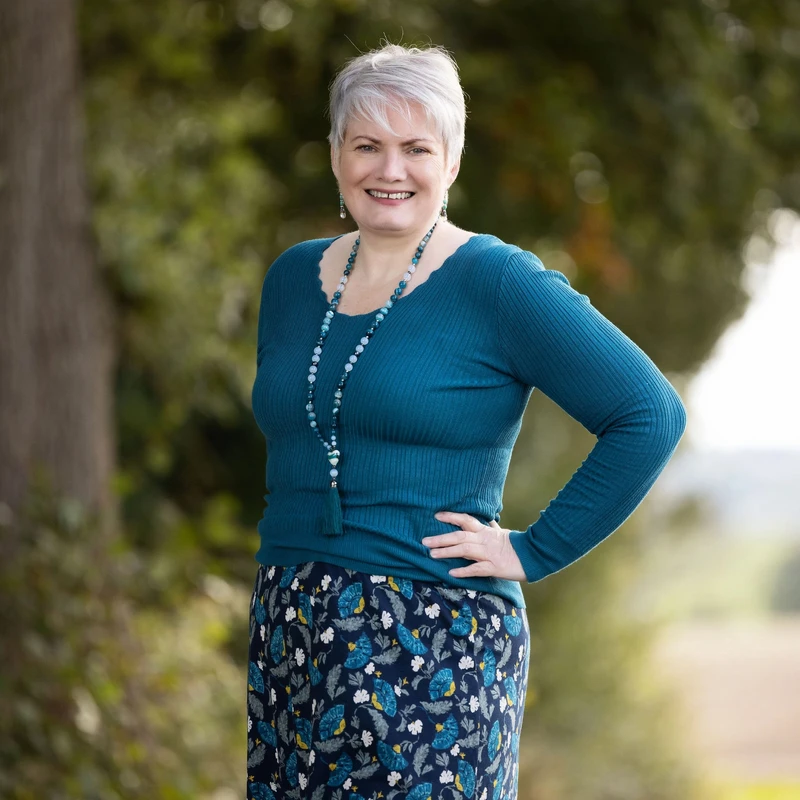

Supporting other women asks us to examine the beliefs we have inherited about age, capability and whose needs deserve consideration.
A woman reaches midlife with decades of experience behind her. She has navigated change, developed her judgement, built relationships and acquired knowledge that others regularly depend upon.
Then menopause enters the conversation, and questions begin to gather around her capability.
How will she cope? Can she still manage the demands of her role? What might supporting her involve?
I am interested in how readily those questions arise, and what they reveal about the assumptions we carry into our workplaces. A woman’s accumulated expertise deserves to remain visible when we discuss her health. The language we use can influence whether that happens.
For me, this is where patriarchy needs to be named.
I use that word to describe the beliefs and structures that privilege male experience and authority, shaping expectations about whose bodies, careers and needs fit comfortably into working life. Those expectations can become so familiar that we repeat them without examining where they came from.
Women can carry them too.

The assumptions beneath the words
During my time in senior leadership, I was involved in a discussion about introducing a menopause and menstruation policy, long before it was captured by legislation. One proposal was to offer up to five days’ leave to women experiencing symptoms associated with perimenopause or menopause.
A woman in my team opposed it. During the conversation, she described the women we hoped to support as “burnt out”.
I challenged the stereotyping and explained that I found the description offensive and insensitive. Her response was: “Well there must be performance issues then.”
I was deeply disappointed that another woman could speak in this way about women at this stage of life. To my mind, those remarks reflected a patriarchal assumption that ageing and needing support made women’s competence questionable.
There were legitimate questions we could have explored about the proposed policy. Its design, application and practical implications all deserved consideration. Instead, the conversation had moved rapidly towards a judgement about the women themselves.
I thought about the skills, knowledge and expertise they brought to the organisation. The institutional memory they carried. The responsibilities they held beyond work, and what any decision about their employment might mean for them and their families.
That exchange stayed with me because it illustrated how easily an assumption can enter a discussion and begin shaping its direction.

What the evidence allows us to say
Research gives us good reason to examine those assumptions carefully.
A 2025 systematic review by researchers at Monash University examined ten studies of menopause and work performance. It found that menopausal status alone was not consistently associated with work outcomes. Findings about the effect of symptoms were mixed, and the researchers identified limitations in the evidence, including potential influences from employment, socioeconomic and personal circumstances.
My reading of that evidence is clear: being in perimenopause or menopause is insufficient grounds for judging a woman less reliable or capable at work.
Individual experiences still deserve serious attention. Another 2025 systematic review, covering 29 studies, found associations between menopausal symptoms, poorer sleep and reduced productivity at work, with evidence also linking some symptoms to absence. These findings reinforce the importance of understanding what an individual woman is experiencing.
The evidence calls for precision. A woman may experience symptoms that affect her working day. The nature, severity and impact of those symptoms need to be understood in her particular circumstances.
A broad label such as “burnt out” tells us very little about any of that. It can, however, tell us something about the expectations of the person applying it.

When women inherit patriarchal beliefs
It can be uncomfortable to consider that women might reproduce beliefs that diminish other women. Shared gender brings no automatic awareness of the assumptions we have absorbed.
We have each learned something about what a successful woman should look like, how much she should tolerate, how readily she should accommodate others, how carefully she should reveal her needs.
I believe those lessons deserve examination, particularly when we have influence over someone else’s working life.
What do we associate with competence? How do we respond when an experienced woman asks for support? What conclusions do we draw about her ambition, resilience or future contribution?
These questions become especially significant in midlife, when a woman may hold substantial professional responsibility alongside changes in her health and demands within her family.
I want workplace conversations to make room for that whole person. Her experience, aspirations and contribution belong in the discussion, alongside anything she needs to continue working well.
Support requires curiosity
A thoughtful conversation begins with listening.
What is this woman experiencing? What is helping? What is making her working day harder? What would she like us to understand?
The answers can inform practical decisions about support. They can also reveal assumptions within the organisation that need attention.
Women should be able to disagree about how a policy is designed. Constructive challenge can improve an initiative, expose gaps and help an organisation make better decisions. It requires curiosity about the people affected and care in how we discuss them.
Emotional intelligence matters here. Recognising our own reactions, noticing the effect of our language and allowing another perspective to influence our thinking are valuable professional skills.
They can be learned and developed.
They also help us take responsibility when our intentions and our impact diverge.
A fuller view of women’s value
As a woman and a former People and Culture leader, I want us to recognise the depth of contribution women bring at this stage of life.
Their judgement has developed through experience. Their knowledge connects people, decisions and events across years. Their ambitions continue to evolve.
The way we discuss menopause should leave room for all of that.
Supporting other women includes being willing to question inherited beliefs, even when they feel familiar and even when we discover them in ourselves. It asks us to listen closely enough to understand an individual experience and to use evidence carefully when making decisions.
Before we allow menopause to become shorthand for a woman’s capability, there is a question worth sitting with:
Whose assumptions are we carrying—and what becomes possible when we examine them?



Comments